

Come To My World
The « globetrotting pianist » traveled to Tel Aviv to record his new album with a longtime friend, double bassist AVISHAI COHEN, and three Israeli musicians: NOAM DAVID (drums), GILAD ABRO (double bass), and ILAN KATCHKA (percussion).
In this project, JO KAIAT draws on the richness of Hebrew musical traditions from the Middle East, West African music, and Arab-Andalusian influences. This hybrid jazz, shaped by a wide range of inspirations, results in a richly cross-cultural album that sensitively reflects the sum of the pianist’s experiences around the world.
RELEASE: JULY 2020 / LABEL IMAGO RECORDS / DISTRIBUTION SOCADISC
On Playlist here:


AVAILABLE VINYLE on IMAGO records
Album’s cover by watercolor artist EMILIE CAMATTE / https://www.emilie-illustration.fr
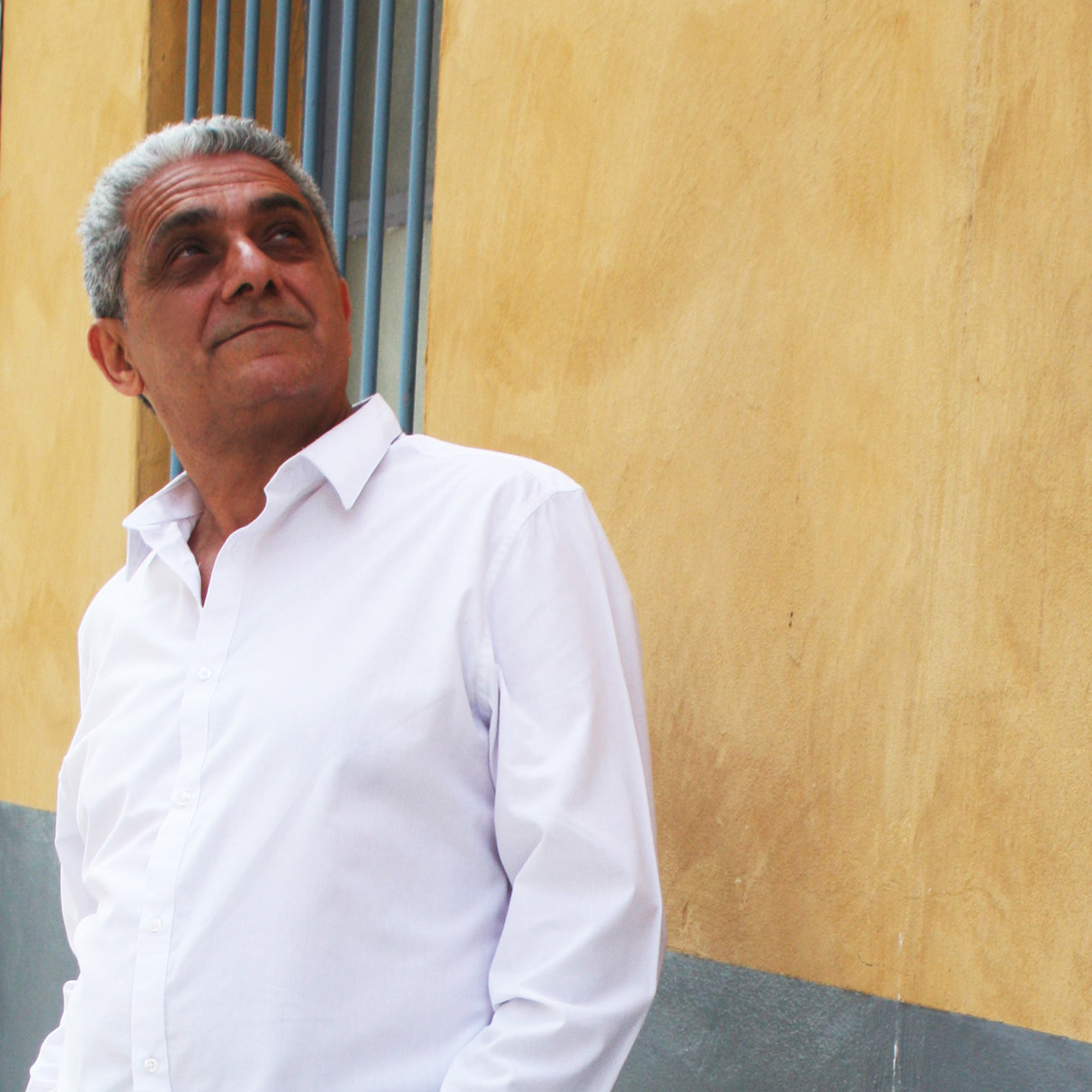
“Jo Kaiat is a jazz pianist… no, wait, don’t run away! His first two albums are nothing like what you might expect. The first takes off somewhere between Marrakesh and Mali; the second drifts toward India, featuring a violinist and a tabla player. It brings to mind the memorable meeting of Olodum and Herbie Hancock under the guidance of Bill Laswell (Bahia Black). This is powerful, bold, contemporary music, closer in spirit to Fela Kuti than to the chatter of institutional jazz. Everything fits together: the polyrhythms interlock with perfect naturalness, their chemistry that of lovers. The result is powerful, original, and imbued with a certain gravity, softened by rhythmic ecstasy.”
— Hélène Lee
“For Jo Kaiat, everything is about encounters and dialogue. In fact, ‘Dialogue’ is the title of one of the pieces performed by the Bamako trio, whose composition is built around the ‘dundunba,’ a Guinean rhythm that is extremely popular in Mali. Jo Kaiat constantly builds bridges between cultures: he reconnects the Gnawa and Bambara traditions—which share a common history—in ‘From Morocco to Mali’; he links the melancholic accents of Satie with those of India; and he makes room for his Eastern influences in ‘Lalit’ and ‘Beating Heart.’ But he does not simply seek connections between his own culture and others. He also spends his time finding connections between his instrument and those of the musicians around him.”
— Fanny Acollet